



Every paddy season, farmers face the same practical question: sow the field with a rice seeder, or plant it with a paddy transplanter? Both are built for paddy cultivation, yet they work in almost opposite ways and suit different kinds of farms. This blog explains what is the difference between them & how each paddy sowing machine works. Also, which one is better for paddy cultivation once you weigh labour, water, soil, and cost. By the end, picking the right agricultural equipment for your paddy field should feel a lot less confusing.
A rice seeder and a paddy transplanter are both used for establishing a rice crop, but they follow different methods. A rice seeder places seeds directly in the prepared field, while a paddy transplanter places young rice seedlings in rows after they are raised in a nursery. In the next blog, read about the detailed specifications of Rice Seeder & Paddy Transplanter.
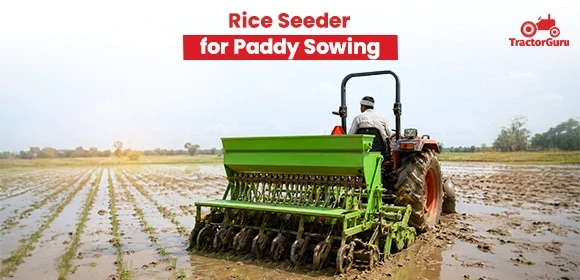
A rice seeder is a tractor-mounted paddy sowing machine that drills seeds directly into prepared soil, in straight rows and at a fixed depth. It is the main equipment used in the direct-seeded rice or DSR method, where paddy is sown without raising a nursery and without any transplanting step at all.
As the seeder moves across the field, its metering unit releases seeds through furrow openers that place them evenly and at the correct spacing. Farmers only need to level the land and give one pre-sowing irrigation before the rice seeder can start work. It helps in making early sowing possible and saves several days compared to the nursery route.
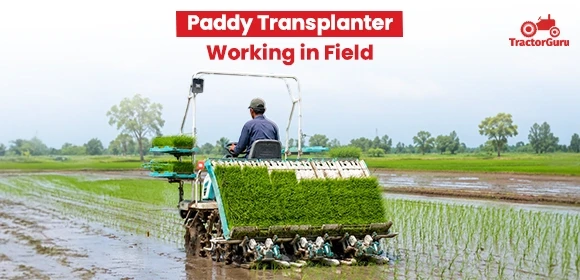
A paddy transplanter, on the other hand, does not sow seeds at all. It plants ready seedlings into a puddled, water-standing field. Before the machine ever enters the field, paddy seeds are first sown in a nursery bed and grown into young seedlings for roughly 25 to 35 days. The paddy transplanter then lifts these seedlings from a mat or tray and sets them into the muddy soil in neat, evenly spaced rows.
Depending on the model, a paddy transplanter can be a walking type, a riding type, or a compact walk-behind unit, so the right pick really depends on your farm size and how much manual labour you want to save.
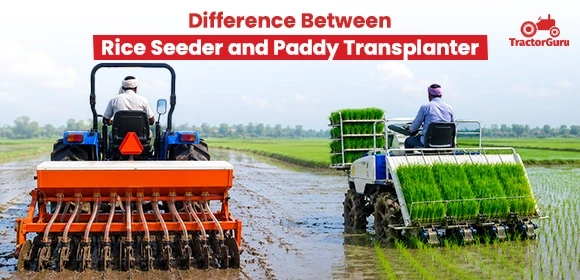
So, what is the actual difference between a rice seeder and a paddy transplanter once you put them side by side? The table below sums it up quickly.
|
Parameters |
Rice Seeder |
Paddy Transplanter |
|
Sowing Material |
Directly sows paddy seeds (dry or pre-soaked) |
Plants raised paddy seedlings from a nursery |
|
Nursery Needed |
No nursery preparation required |
Nursery bed needed 25-35 days before planting |
|
Field Condition |
Works on levelled, non-flooded soil |
Needs puddled, water standing field |
|
Water Use |
Uses noticeably less irrigation water |
Needs regular flooding for weed and crop control |
|
Labour Need |
Low labour, mostly machine run |
Higher labour for nursery raising and planting |
|
Weed Control |
Depends more on herbicides |
Standing water naturally suppresses weeds |
|
Best Suited For |
Water short regions, labour shortage areas |
Assured irrigation belts, traditional paddy zones |
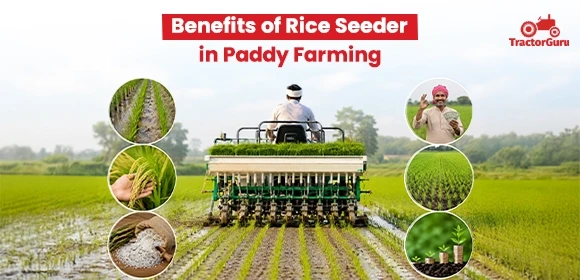
A rice seeder brings a fairly different set of advantages to a paddy farm, most of them tied to water and labour savings:
This is exactly why a rice seeder is often called a labour saving equipment for paddy cultivation, especially in regions where farm workers are hard to find during the peak sowing window.
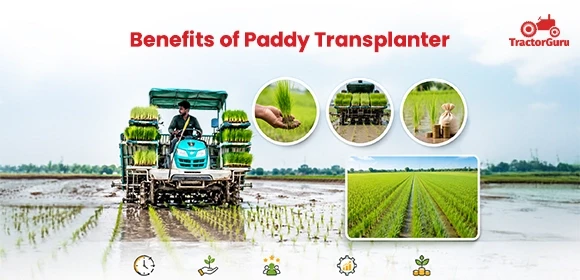
A paddy transplanter still holds strong ground in many parts of India, and for good reason:
For farmers who already have assured canal or borewell irrigation, transplanting paddy using a paddy transplanter remains one of the safest routes to a full harvest.
There is no single right answer here; it depends on your field and your region. In parts of Punjab and Haryana, a rice seeder and the direct-seeded rice method are gaining ground fast. In regions with strong irrigation and a long transplanting tradition, a paddy transplanter still delivers predictable growth.
If your biggest challenge is finding labour on time or managing a tight water budget, lean towards a rice seeder. If your priority is weed control without extra chemicals and consistent output season after season, a paddy transplanter is the suitable option.
The Khedut Rice Transplanter Walking Type is a compact, 8 HP walking-type machine built for small and medium paddy holdings. The Mahindra Rice Transplanter LV63A runs on 20 HP and suits farmers looking for a higher capacity option. The recommendation is to search more about paddy sowing machines and transplanters along with price & specifications before making a final purchase.
Both machines tackle the same job,i.e., getting paddy planted fast, but each takes its own route. If you’re looking to cut down on water use and save labour, the rice seeder is considered an option. However, when you depend on steady irrigation and care about keeping yields solid, the paddy transplanter is a suitable choice. No matter which implement you select, check out all the paddy equipment options.
Website - TractorGuru.in
Instagram - TractorGuru Instagram Page
Facebook - TractorGuru Facebook Page


Sonalika Tractors' Mega Plan: 25-Acre Global R&D Center to be Built in UP


दूध के साथ गोबर-गौमूत्र से कमाई! नंदिनी योजना में ₹31 लाख तक अनुदान

Yamaha Strengthens Prospr with Smart Weed-Control Technology


UP Allots Land to 3 Firms for Tractor, Dry Fruit Units Near Yamuna Expressway


The top choice for farmers in India. Check prices and explore exclusive offers now!
Select Tractor