



A tractor alone can not perform every task on the farm. Its real strength is used once you attach it with the right implement. After attaching the implement with tractor, it can plough the field, sow the seeds, spray, and harvest. Across Indian farms, from the wheat belts of Punjab to the cotton fields of Maharashtra. There are several implements that can be seen, because they solve problems that no amount of manual labour can fix quickly or cheaply.
Read the blog below containing ten implements that Indian farmers rely on the most, what each one actually does, and where it fits into the farming calendar.
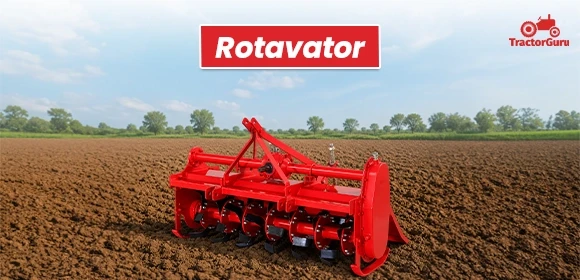
The rotavator is the type of implement that gets a field ready for sowing seeds easily on the land. It runs a set of rotating blades through the topsoil, chopping it into a fine, even bed rather than leaving big clumps behind. Farmers lean on it heavily before sowing wheat, paddy, or vegetables because a fine seedbed means better seed to soil contact and quicker germination.
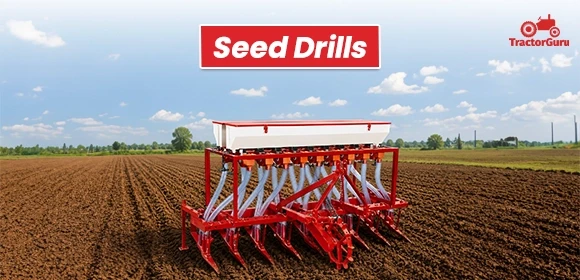
Broadcasting seed by hand wastes both seed and time. A seed drill fixes that by dropping seeds at a fixed depth and spacing in one continuous line. Also, many models release fertiliser alongside the seed in the same way. That combination saves a second trip across the field and keeps seed usage predictable.
|
Best Tractor for Seed Drill Use |
|
|
John Deere 5310 |
Mahindra 575 DI XP Plus |
|
Massey Ferguson 241 DI Maha Shakti |
Eicher 380 Super DI |
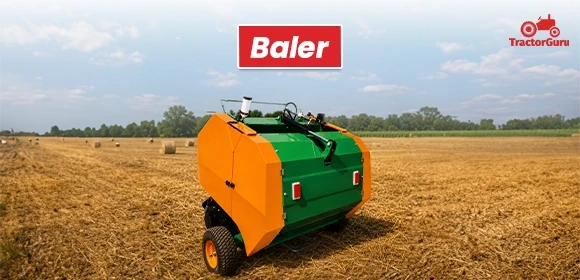
Once a crop is cut, the leftover straw and stalks still have value, as fodder, as bedding, or simply as material that needs clearing before the next crop. A baler gathers this loose material and presses it into tight, transportable bales, which is a lot easier to store or sell than a field full of loose straw.
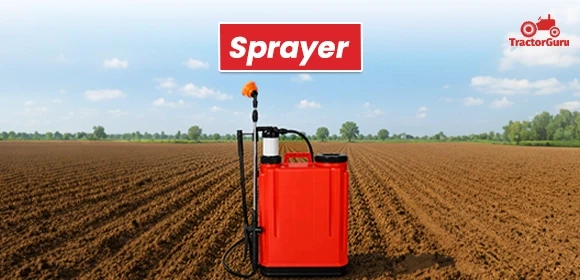
Spraying by hand with a knapsack works fine on a small plot, but it's slow and uneven across bigger lands. Tractor mounted sprayers cover far more ground per hour and apply pesticide, herbicide, or fertiliser solution more evenly. It matters a lot when timing a spray around pest outbreaks or disease pressure.
|
Best Tractor for Sprayer |
|
|
Swaraj 735 FE & others compact models |
|
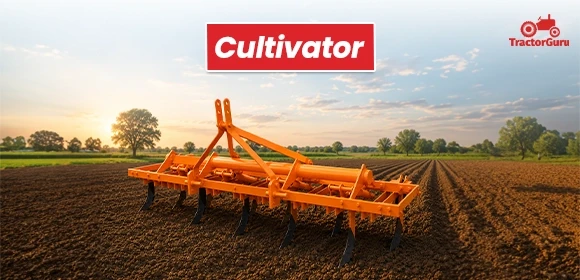
A cultivator does the leftover job that ploughing and rotavating don't fully cover. It stirs the soil after the first tillage pass, breaks up clods, and uproots weeds before sowing. Because it disturbs less soil than a plough, it also helps hold moisture in fields where water is tight.
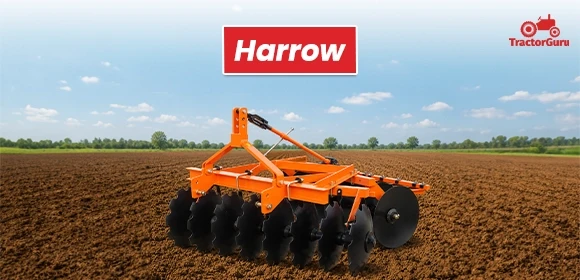
Where a cultivator finishes the job, a harrow often starts it. The implement helps in breaking down bigger clods left after ploughing and levelling the surface. Disc harrows in particular are useful on harder ground or fields with heavier crop residue, since the discs cut through material that a lighter tool would just ride over.
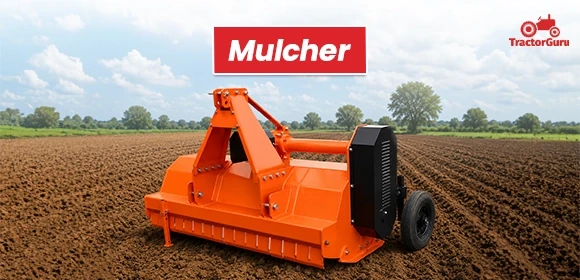
After harvest, fields are usually left with stubble, small shrubs, and leftover plant growth that get in the way of the next sowing cycle. A mulcher shreds all of that material on the spot instead of it being burned or manually cleared, which also puts organic matter back into the soil.
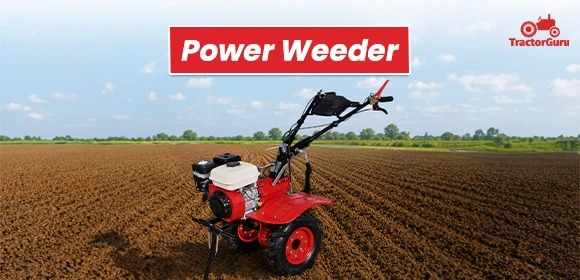
Weeds compete with crops for water, nutrients, and sunlight, and pulling them by hand across a large plot takes a whole day. A power weeder runs rotary blades between crop rows to clear weeds mechanically, which is faster and gentler on the crop roots than manual weeding tools.
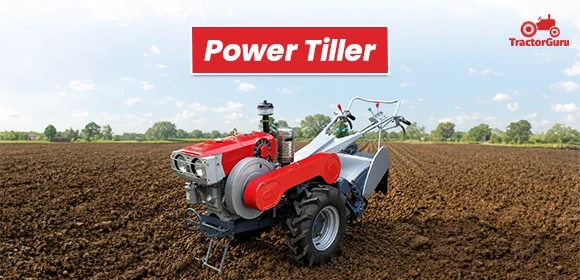
For farmers working on smaller lands, a complete size tractor with attachments isn't always practical. A power tiller is a lighter, self-contained machine that handles tilling, sowing, and even light spraying, and it manoeuvres easily in wet paddy fields where bigger machinery struggles.
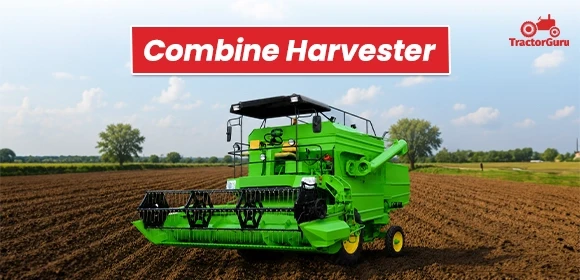
At the time of harvest, a combine harvester takes over three jobs at once, i.e., cutting the crop, threshing the grain, and cleaning it. Furthermore, it completes all of these jobs while moving through the field in a single pass. What used to take a crew of labourers several days now wraps up in hours.
|
Implement |
Main Job |
Best Suited Stage |
|
Rotavator |
Breaks soil into a fine seedbed |
Land preparation |
|
Seed Drill |
Sows seeds at set depth and spacing |
Sowing |
|
Baler |
Compresses straw/hay into bales |
Post-harvest |
|
Sprayer |
Applies pesticides, herbicides, fertilizers |
Crop protection |
|
Cultivator |
Loosens soil, controls weeds |
Secondary tillage |
|
Harrow |
Breaks clods, smooths surface |
Land preparation |
|
Mulcher |
Clears stubble, small bushes, plant waste |
Field cleanup |
|
Power Weeder |
Removes weeds between crop rows |
Crop maintenance |
|
Power Tiller |
Compact tilling, sowing, light spraying |
Small/marginal farms |
|
Combine Harvester |
Cuts, threshes, and cleans grain in one pass |
Harvesting |
These implements work together at different stages of farming. A rotavator prepares the soil, a seed drill sows the seeds, a sprayer protects the crop, and a combine harvester harvests it. The right implement depends on area of your land, type of crop, & soil condition. Instead of choosing equipment just because other farmers use it, pick the one that suits your farming needs. Choosing the right tractor and implement combination doesn't require a huge budget. It only requires selecting the right equipment for your farming needs.
Website - TractorGuru.in
Instagram - TractorGuru Instagram Page
Facebook - TractorGuru Facebook Page


सोलर ड्रायर पर 1.50 लाख रुपये तक की सब्सिडी, जानें आवेदन प्रक्रिया और पात्रता

Yamaha Strengthens Prospr with Smart Weed-Control Technology


UP Allots Land to 3 Firms for Tractor, Dry Fruit Units Near Yamuna Expressway


The top choice for farmers in India. Check prices and explore exclusive offers now!
Select Tractor